


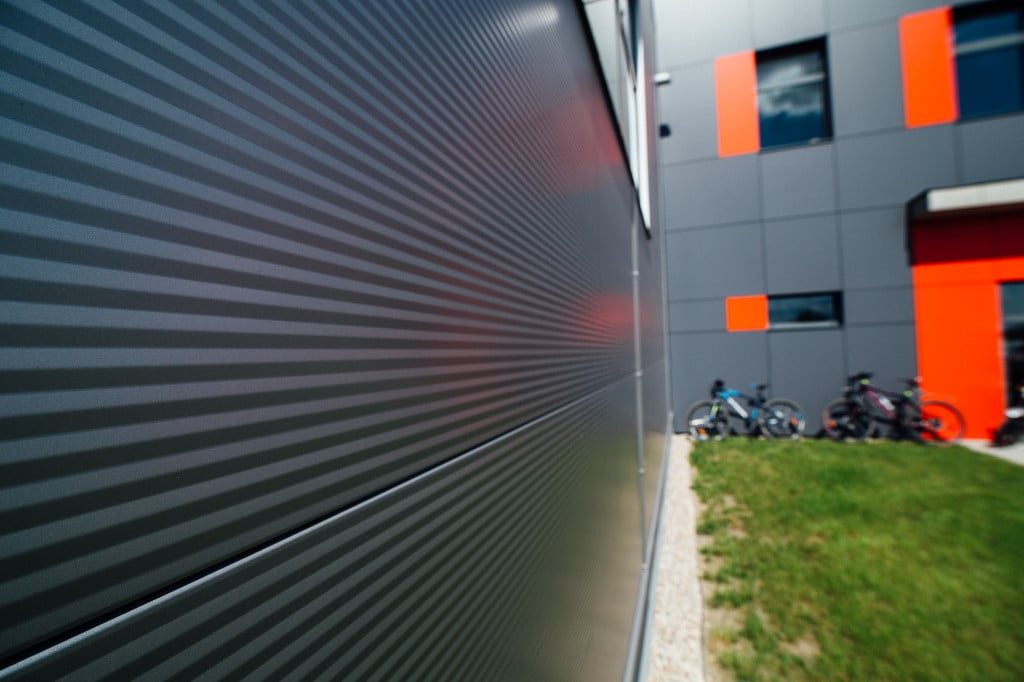
Sandwich Wall Panels: Layers, Cores, Thickness and Uses
A sandwich wall panel is a ready-made wall: two metal skins around an insulating core. It goes up fast, insulates well and needs little work on site, which is why factories, warehouses, cold rooms and prefab buildings use it.
- Structure: outer metal sheet, insulating core, inner metal sheet.
- Core options: polyurethane (PU), EPS polystyrene or rock wool.
- Benefits: fast installation, good insulation, light weight, clean surface, less work on site.
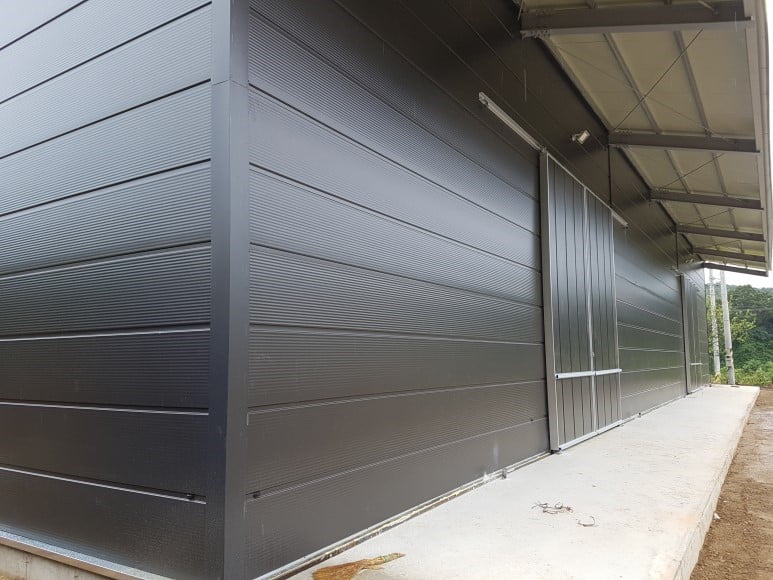
- Common uses: sheds, factories, warehouses, cold rooms, clean rooms and prefab cabins.
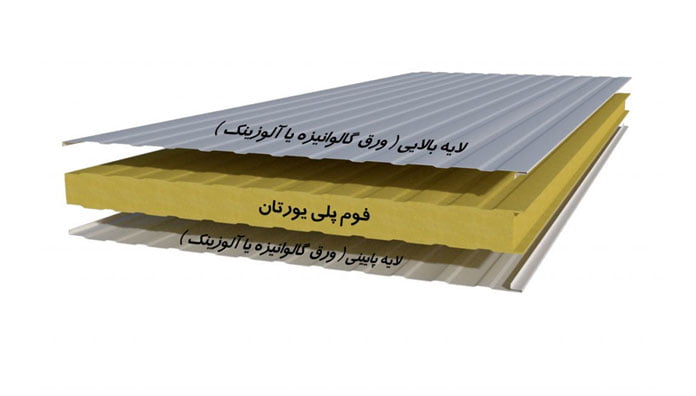
What a wall sandwich panel is made of
| Layer | Material | Job |
|---|---|---|
| Outer skin | Galvanized or color-coated steel sheet (Aluzinc and stainless are also used) | Strength, weather protection and finish |
| Core | Polyurethane (PU), EPS or rock wool | Thermal insulation and, depending on the core, sound and fire performance |
| Inner skin | Steel sheet, often a lighter coating | Smooth, easy-to-clean interior surface |
Which core material?
| Core | Strength | Keep in mind |
|---|---|---|
| Polyurethane (PU) | Best insulation for its thickness; strong bond to the skins | Not fireproof; a thinner panel can do the job of a thicker one in another core |
| EPS (polystyrene) | Light and low cost | Lower insulation than PU; not fireproof |
| Rock wool | Non-combustible; good sound control | Heavier and usually higher in cost |
Thickness and sizes
Wall panels are made in several thicknesses. Kimia Panel’s polyurethane wall panels come in 4, 5, 10 and 15 cm, with an effective width of 118.5 cm and lengths up to 12 m. Thinner panels are used for sheds and warehouses, thicker ones for cold rooms and buildings that need strong insulation. Lengths are cut to order so there are fewer joints.
Advantages of sandwich wall panels
- Fast installationLarge factory-made panels go up much faster than block or brick walls.
- Good thermal insulationThe core cuts heat loss and cooling or heating cost.
- Light weightLighter loads on the frame and foundation.
- Clean, smooth surfaceEasy to wash, useful for food, farm and clean-room buildings.
- Moisture and weather resistanceCoated steel skins hold up outdoors.
- Less work on sitePanels are made to size in the factory, so there is less waste and less labor on site.
Where wall panels are used
| Building | Why panels fit |
|---|---|
| Sheds and warehouses | Quick, low-cost enclosure with insulation |
| Factories and workshops | Large walls on a steel frame in a short time |
| Cold rooms | PU panels hold temperature with less energy |
| Clean rooms and labs | Smooth, washable surfaces |
| Poultry and livestock houses | Easy to clean and to keep at a steady temperature |
| Prefab cabins and offices | Light walls that are built and moved fast |
How to choose the right panel
- What is the building for?A cold room needs PU; a hot workshop may need rock wool.
- Fire rulesCheck what your project requires before choosing the core.
- ThicknessMatch it to the insulation you need and the span between supports.
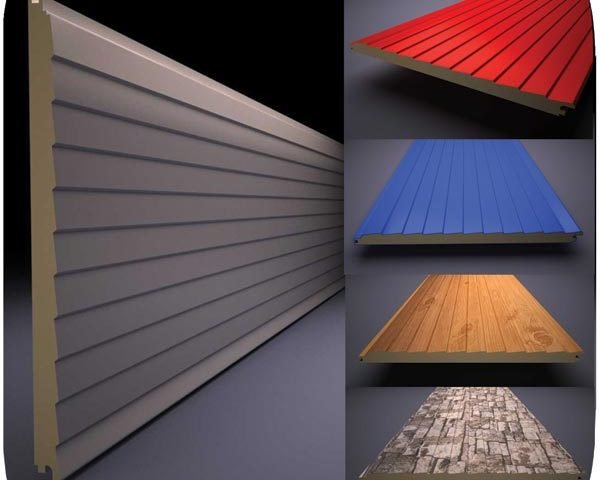
- Skin coating and colorPick a coating that suits the climate and the look you want.
- Ask for the specification in writingCore, thickness, skin and length should all be written in the quote.
Planning a building with sandwich panels?
Tell us the project type, size and city. Our team in Shiraz will reply with a specification and a price.
WhatsApp: +98 912 064 6825 Office: +98 71 3773 1520Frequently asked questions
What is a sandwich wall panel?
A factory-made panel with a metal sheet on each side and an insulating core in the middle. It forms an insulated wall in one piece and is fixed to a steel or concrete frame.
Which core is best: polyurethane, EPS or rock wool?
Polyurethane (PU) insulates best for its thickness. EPS is lighter and lower in cost. Rock wool is non-combustible and also good for sound. The right choice depends on insulation, fire rules and budget.
How thick should a wall panel be?
It depends on the building and climate. Kimia Panel makes polyurethane wall panels in 4, 5, 10 and 15 cm thickness. Thin panels suit warehouses and sheds, thicker ones suit cold rooms.
Can wall panels be used for cold rooms?
Yes, polyurethane panels are the usual choice for cold rooms because of their insulation. Use the thickness your cooling design requires.
Are sandwich panels fireproof?
It depends on the core. Rock wool is non-combustible. PU and EPS are not fireproof, so check your fire requirements before choosing.
Kimia Panel is a sandwich panel manufacturer in the Shiraz Grand Industrial Estate, Iran. See also roof flashing (flushing).
